The Psychology Behind Viral Content: Why Some Posts Spread Like Wildfire
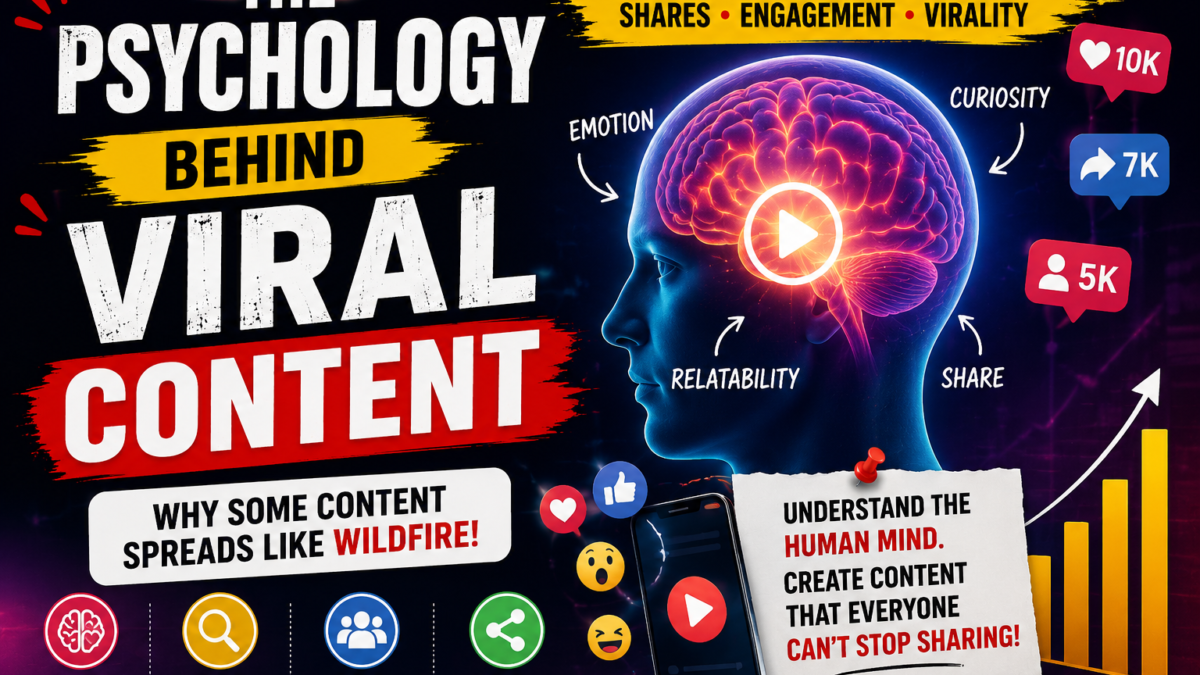
Understanding the Science of Virality
Every day, millions of pieces of content are uploaded to social media platforms. Yet only a small percentage gain massive attention and become viral. While luck can sometimes play a role, experts believe that psychology is one of the biggest factors behind viral content.
People share content because it makes them feel something. Whether it is excitement, surprise, inspiration, curiosity, or laughter, emotions play a major role in determining whether a post gets shared or ignored.
Why Emotions Drive Shares
Research shows that emotionally engaging content is more likely to spread across social media. Content that creates a strong reaction encourages people to interact and share it with others.
Common emotions that fuel virality include:
- Surprise and amazement
- Inspiration and motivation
- Happiness and humor
- Curiosity and intrigue
- Strong personal connection
When people feel emotionally connected to a post, they are more likely to pass it on to friends and followers.
The Power of Relatability
One of the most effective ways to create viral content is by making it relatable. Audiences enjoy content that reflects their experiences, challenges, thoughts, or daily routines.
Content creators often succeed when they address common situations that make viewers think, “That is exactly how I feel.”
Curiosity Creates Clicks
Humans naturally want answers to unanswered questions. This is why curiosity-driven headlines often perform well online.
Examples include:
- What happened next surprised everyone
- The secret behind viral success
- The one mistake most creators make
Such headlines encourage users to click and learn more.
Social Proof Influences Behavior
People tend to trust content that others already like. When users see thousands of likes, comments, and shares, they assume the content is valuable.
This psychological effect, known as social proof, often helps viral content gain even more momentum.
The Future of Viral Content
As social media platforms evolve, understanding human psychology will remain essential for creators and marketers. Successful content is not just about attractive visuals or clever captions. It is about creating emotional connections, sparking curiosity, and encouraging people to engage.
In today’s digital world, the psychology behind viral content continues to shape what audiences watch, share, and remember.