The Top 5 Chatbot Tools for Modern Businesses
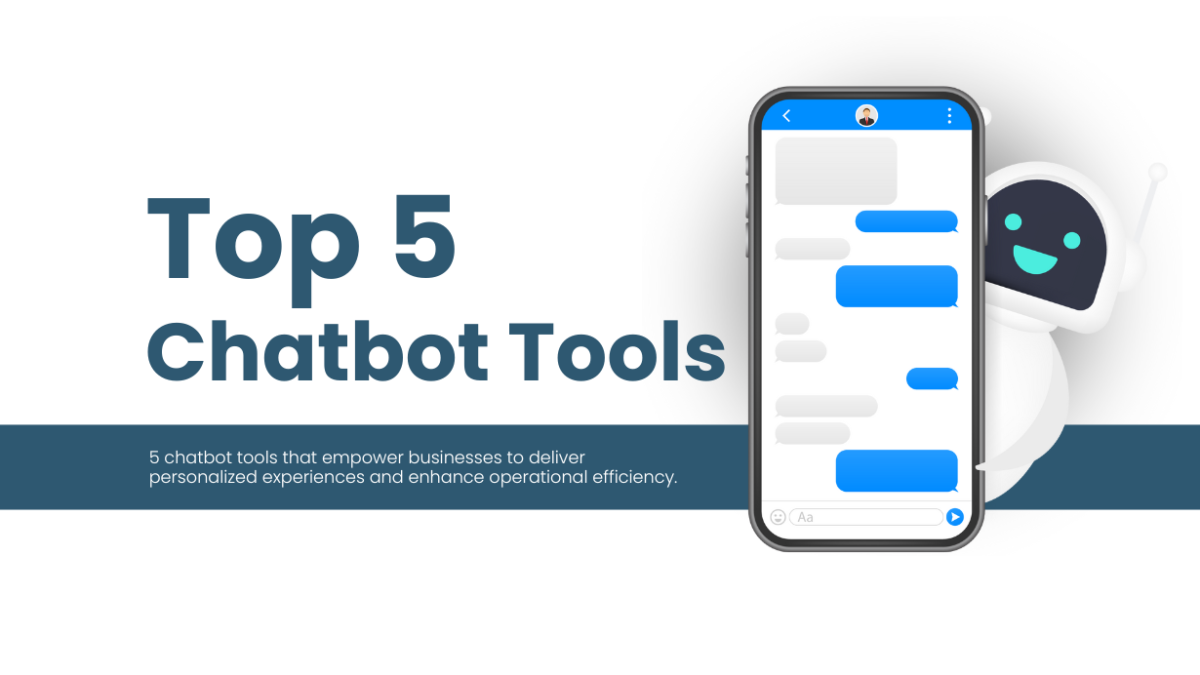
In today’s digital era, businesses are increasingly turning to chatbots to revolutionize customer interactions, streamline operations, and drive growth. Chatbot tools, powered by artificial intelligence (AI) and natural language processing (NLP), have become essential components of successful customer engagement strategies. In this article, we’ll explore the top 5 chatbot tools that empower businesses to deliver personalized experiences and enhance operational efficiency.
1. Dialogflow (by Google)
Dialogflow, part of Google Cloud, is a leading chatbot development platform that offers robust features for creating intelligent conversational agents. Key highlights of Dialogflow include:
- Natural Language Understanding (NLU): Dialogflow’s advanced NLU capabilities enable chatbots to understand user intents and extract entities accurately.
- Multi-Platform Deployment: Build chatbots once and deploy them across various platforms such as websites, mobile apps, and messaging apps.
- Integration with Google Services: Seamlessly integrate with Google Cloud services for scalability, analytics, and integration with Google Assistant.
Dialogflow is ideal for businesses looking to create AI-powered chatbots capable of handling complex interactions and delivering personalized responses.
2. Microsoft Bot Framework
The Microsoft Bot Framework provides a comprehensive set of tools and services to build, deploy, and manage intelligent bots across multiple channels. Key features of the Microsoft Bot Framework include:
- Bot Builder SDK: Develop bots using popular programming languages such as C#, JavaScript (Node.js), and Python.
- Integration with Azure Services: Deploy and host bots on Microsoft Azure for scalability and security.
- Cognitive Services: Leverage Microsoft’s AI services for advanced capabilities like natural language understanding and sentiment analysis.
Microsoft Bot Framework is suitable for businesses seeking to create AI-driven chatbots that integrate seamlessly with Microsoft’s ecosystem and other third-party applications.
3. IBM Watson Assistant
IBM Watson Assistant is an AI-powered chatbot platform that allows businesses to build virtual assistants capable of understanding and responding to user queries naturally. Key features of IBM Watson Assistant include:
- Intent Recognition: Watson Assistant uses machine learning models to recognize user intents and provide contextually relevant responses.
- Integration with IBM Cloud: Seamlessly integrate with other IBM Cloud services for enhanced functionality and scalability.
- Industry-Specific Templates: Leverage pre-built templates tailored for specific industries to accelerate chatbot development.
IBM Watson Assistant is an excellent choice for businesses looking to implement AI-powered chatbots with industry-specific knowledge and customization.
4. ManyChat
ManyChat is a popular chatbot platform specializing in Facebook Messenger marketing. Key features of ManyChat include:
- Visual Chatbot Builder: Design conversational flows using a simple drag-and-drop interface without coding.
- Marketing Automation: Schedule broadcasts, segment audiences, and send personalized messages to subscribers.
- E-commerce Integration: Drive sales through Messenger with features like order tracking and product recommendations.
ManyChat is ideal for businesses leveraging Facebook Messenger as a primary customer engagement channel and seeking to automate marketing and sales processes.
5. Chatfuel
Chatfuel is another user-friendly platform for building chatbots on Facebook Messenger. Key features of Chatfuel include:
- AI-Powered Responses: Utilize Chatfuel’s AI engine to understand and respond to user queries accurately.
- Broadcast Messaging: Send targeted messages based on user preferences and interactions to improve engagement.
- Analytics Dashboard: Monitor chatbot performance and gather insights to optimize conversational experiences.
Chatfuel is suitable for businesses looking to implement AI-driven chatbots on Facebook Messenger quickly and efficiently.
Choosing the Right Chatbot Tool
When selecting a chatbot tool for your business, consider factors such as ease of use, integration capabilities, scalability, and specific use-case requirements. Evaluate each tool’s features and determine which one aligns best with your business objectives and customer engagement strategies.