What is Influencer Marketing?
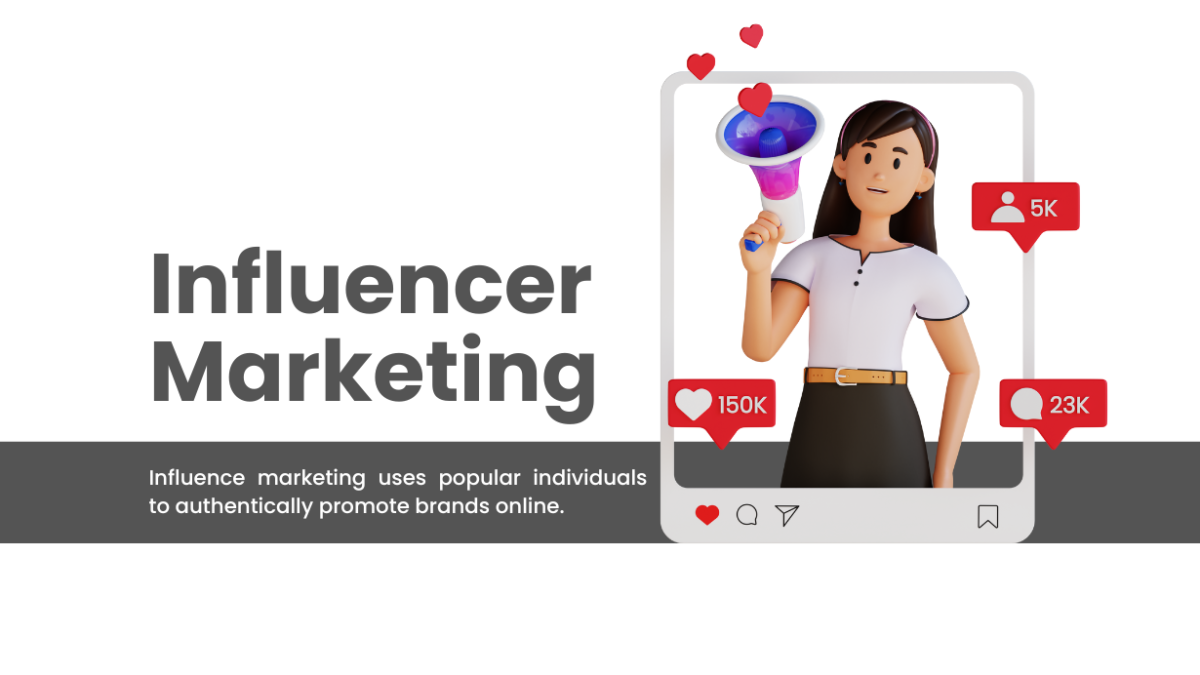
In today’s hyper-connected world, traditional advertising methods are being eclipsed by a new phenomenon: influencer marketing. This innovative strategy leverages the authority and reach of individuals with large and engaged online followings to promote brands, products, and services. From social media stars to industry experts, influencers have become powerful catalysts for brand awareness and consumer engagement.
The Rise of Influencer Marketing
Influencer marketing has emerged as a response to changing consumer behavior. With people spending more time on social media platforms like Instagram, TikTok, and YouTube, traditional advertising channels have struggled to capture attention effectively. Consumers increasingly value authenticity and peer recommendations over traditional advertising messages.
This shift in consumer preferences has propelled influencers into the spotlight. Influencers, often viewed as relatable and trustworthy figures, have built communities around their personal brands. Their followers look to them for advice, recommendations, and trends, making influencer marketing a compelling strategy for brands seeking to connect with their target audiences.
Why Influencer Marketing Works
The effectiveness of influencer marketing can be attributed to several key factors:
- Authenticity: Influencers often create content that feels genuine and relatable, fostering a sense of trust with their followers.
- Targeted Reach: Influencers have built-in audiences that align with specific demographics and interests, allowing brands to target niche markets effectively.
- Engagement: Influencers have higher engagement rates than traditional advertising channels, as followers actively interact with their content.
- Social Proof: When an influencer endorses a product or service, it provides social proof and validates the brand in the eyes of their audience.
How Brands Harness the Power of Influencers
Successful influencer campaigns are built on strategic partnerships and creative collaboration:
- Identifying the Right Influencers: Brands carefully select influencers whose values, audience demographics, and content align with their brand image.
- Setting Clear Objectives: Whether it’s raising awareness, driving sales, or increasing engagement, brands define specific goals for their influencer campaigns.
- Creative Freedom: Empowering influencers to showcase products in their own unique style fosters authentic storytelling and resonates better with their audience.
- Measuring Impact: Brands utilize metrics like engagement rates, reach, and conversions to evaluate the success of influencer partnerships.
The Future of Influencer Marketing
As influencer marketing continues to evolve, brands must adapt to changing trends and consumer expectations. Micro-influencers (those with smaller but highly engaged audiences) are gaining prominence, offering cost-effective alternatives to working with mega influencers. Additionally, emerging platforms and technologies are reshaping how brands collaborate with influencers, from virtual experiences to interactive content formats.