The Evolution of Meta Advertising
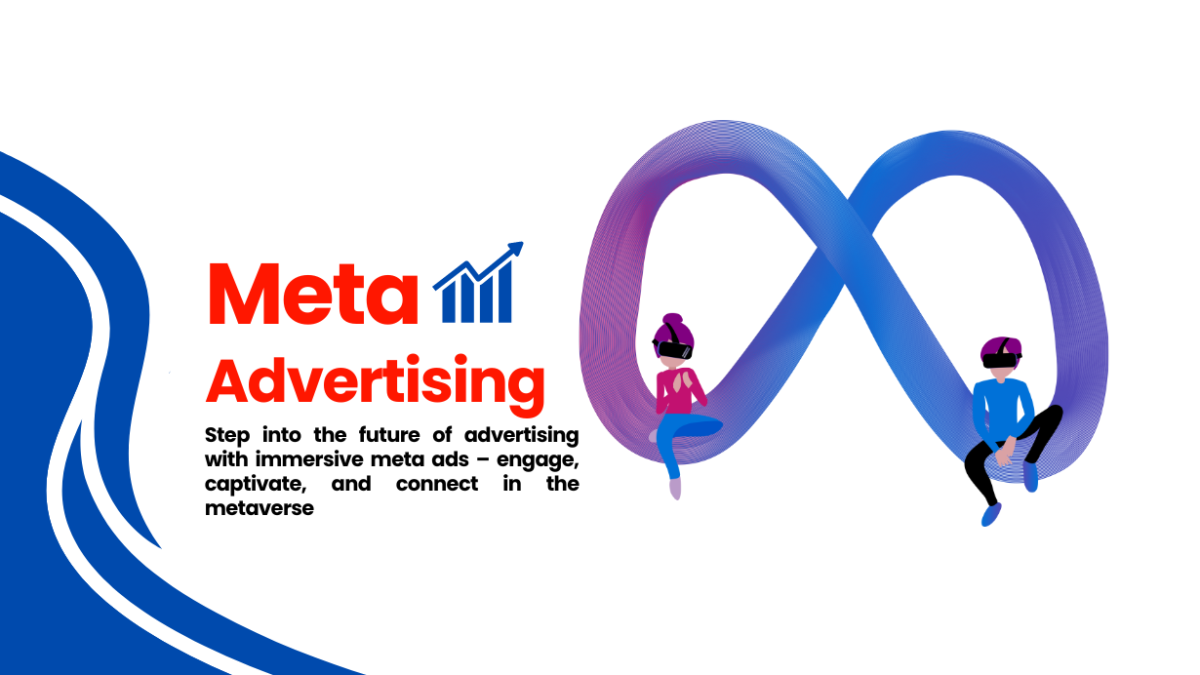
Introduction: In the rapidly evolving landscape of digital marketing, where innovation is the key to staying ahead, a new frontier has emerged – meta ads. As the metaverse continues to gain momentum, businesses are exploring novel ways to engage with their audience beyond traditional advertising channels. Meta ads represent a paradigm shift, offering immersive and interactive experiences that blur the lines between the physical and digital worlds. In this article, we delve into the concept of meta ads, exploring their potential, impact, and the future they herald for advertising.
What are Meta Ads? Meta ads, short for metaverse advertisements, are marketing campaigns designed specifically for virtual environments. Unlike traditional ads that are confined to platforms like social media, search engines, or websites, meta ads leverage the immersive nature of the metaverse to create engaging experiences for users. These ads can take various forms, including virtual billboards, branded environments, interactive experiences, and product placements within virtual worlds.
The Rise of the Metaverse: The metaverse, a collective virtual space comprised of interconnected digital environments, is becoming increasingly pervasive. It encompasses virtual reality (VR), augmented reality (AR), online gaming, social media platforms, and other digital realms. With advancements in technology and the growing adoption of VR and AR devices, the metaverse is transitioning from a sci-fi concept to a tangible reality. As users spend more time in virtual spaces, the opportunities for brands to connect with them through meta ads are expanding exponentially.
Engaging Experiences: One of the defining characteristics of meta ads is their ability to offer immersive and interactive experiences. Unlike passive advertising mediums, such as static banners or television commercials, meta ads allow users to actively engage with branded content. Whether it’s exploring a virtual showroom, participating in gamified experiences, or attending virtual events hosted by brands, users become active participants rather than passive observers. This heightened level of engagement not only captures attention but also fosters deeper connections between brands and consumers.
Personalization and Targeting: In the metaverse, data collection and user profiling take on a new dimension, enabling hyper-targeted advertising campaigns. Meta ads can leverage vast amounts of user data, including behavioral patterns, preferences, and interactions within virtual environments, to deliver personalized content tailored to individual users. By understanding the unique interests and behaviors of their audience, brands can create more relevant and compelling advertising experiences, leading to higher conversion rates and increased brand loyalty.
Seamless Integration: Successful meta ads seamlessly integrate into the fabric of the virtual environment, enhancing rather than interrupting the user experience. Whether it’s integrating branded elements into virtual landscapes, incorporating products into gameplay mechanics, or embedding interactive advertisements within social VR experiences, the key is to create advertising that feels natural and non-disruptive. By blending seamlessly with the virtual world, meta ads become an organic part of the user’s journey, increasing their effectiveness and impact.
Challenges and Considerations: While meta ads offer immense potential, they also present challenges and considerations for advertisers. Privacy concerns surrounding data collection in virtual environments raise ethical questions that must be addressed responsibly. Moreover, ensuring compatibility across various VR and AR platforms poses technical challenges, requiring standardization and interoperability protocols. Additionally, the evolving nature of the metaverse means that advertisers must stay agile and adaptable to new technologies and emerging trends.
The Future of Advertising: As the metaverse continues to evolve, meta ads will play an increasingly significant role in shaping the future of advertising. With advancements in immersive technologies, data analytics, and AI-driven personalization, the potential for creating compelling and impactful advertising experiences in virtual environments is virtually limitless. Brands that embrace this paradigm shift and invest in innovative advertising strategies tailored for the metaverse stand to gain a competitive edge in the digital landscape of tomorrow.