Unveiling the Dynamics of Modern Influence Marketing
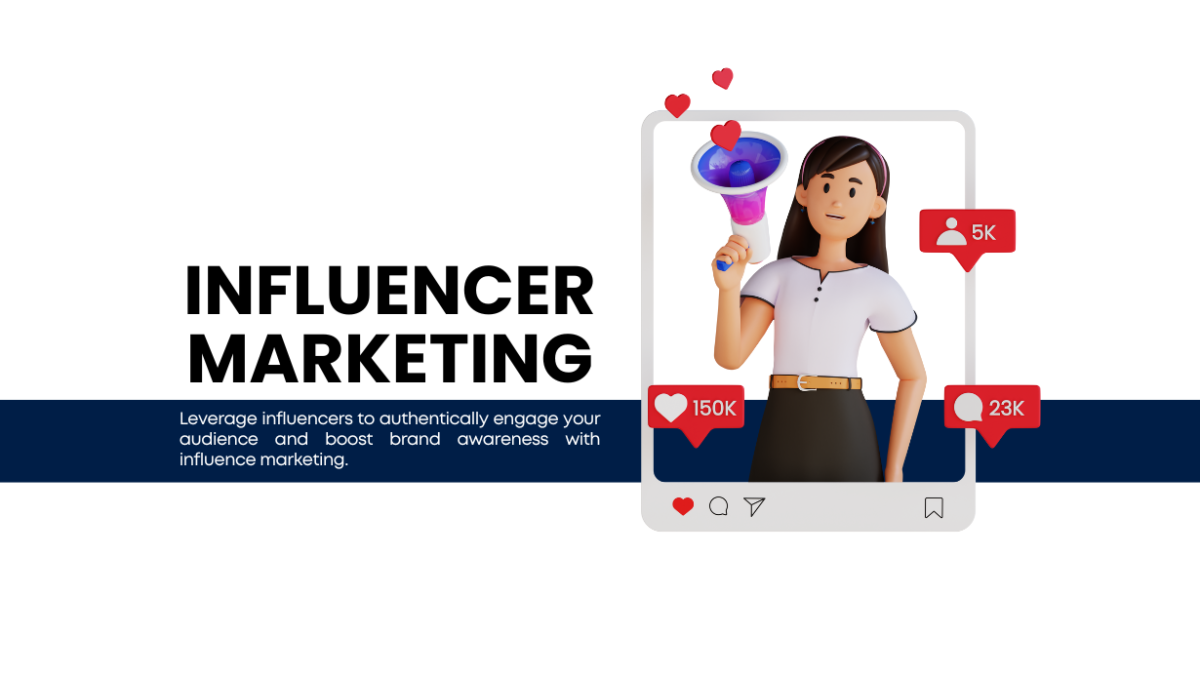
In today’s digitally connected world, traditional marketing strategies are undergoing a significant transformation. With the rise of social media and the proliferation of online content, consumers are inundated with advertisements and promotional messages vying for their attention. In this landscape, influence marketing has emerged as a powerful strategy for brands to connect with their target audience in a more authentic and impactful way.
Influence marketing, also known as influencer marketing, revolves around collaborating with individuals who have a strong influence over a specific niche or audience segment. These influencers, often found on platforms like Instagram, YouTube, TikTok, and blogs, have built a dedicated following based on their expertise, credibility, or relatability. By partnering with influencers, brands can leverage their reach and credibility to promote their products or services to a highly engaged audience.
One of the key advantages of influence marketing is its ability to foster genuine connections with consumers. Unlike traditional advertisements that can feel intrusive or impersonal, influencer collaborations are often perceived as more authentic and trustworthy. When an influencer shares their personal experience with a product or service, their audience is more likely to relate to the recommendation and consider making a purchase.
Moreover, influence marketing allows brands to tap into niche markets and target specific demographics with precision. Whether it’s beauty enthusiasts, fitness fanatics, or tech-savvy gamers, there’s an influencer for nearly every niche interest imaginable. By aligning with influencers whose audience matches their target demographic, brands can ensure that their message resonates with the right people, leading to higher conversion rates and return on investment.
Another compelling aspect of influence marketing is its ability to drive engagement and create buzz around a brand or product launch. Influencers have the ability to spark conversations, generate excitement, and drive traffic to a brand’s website or social media channels. Through creative content such as unboxing videos, tutorials, or sponsored posts, influencers can showcase a brand’s offerings in a way that captivates their audience and encourages them to take action.
However, for influence marketing to be effective, it’s crucial for brands to approach it with careful planning and strategy. Simply paying an influencer to promote a product without considering factors such as audience alignment, content relevance, and authenticity can lead to missed opportunities and even backlash from consumers. Instead, brands should focus on building long-term relationships with influencers who genuinely align with their values and resonate with their target audience.
Furthermore, as influence marketing continues to evolve, so too do the metrics for measuring its success. While metrics such as reach and engagement are important, brands should also look beyond vanity metrics and assess the impact of influencer collaborations on key business objectives such as brand awareness, customer acquisition, and sales.