B2B vs. B2C Digital Marketing: What Really Works?
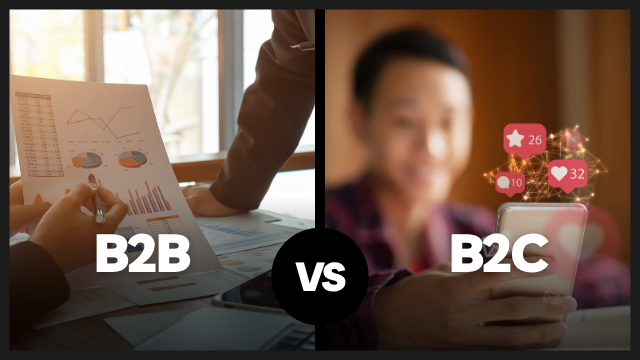
Digital marketing is not one-size-fits-all—especially when you’re comparing B2B (Business-to-Business) and B2C (Business-to-Consumer) strategies. While both aim to convert and engage, the approach, tone, and channels often differ dramatically. So what really works for each? Let’s dive into the core differences and uncover the best-performing tactics for each segment.
Understanding the Audience
The most crucial difference lies in the buyer mindset.
-
B2B customers: Think logic, ROI, efficiency. These buyers are informed, research-heavy, and make decisions based on long-term value.
-
B2C customers: Think emotion, instant gratification, and personal benefit. They’re driven by lifestyle, aesthetics, trends, and convenience.
Content: Educational vs. Entertaining
✅ What Works for B2B:
-
Long-form content like whitepapers, eBooks, and webinars
-
Case studies that showcase measurable results
-
Informative LinkedIn posts, thought leadership, and blog articles
👉 Goal: Build authority and nurture leads through trust and insight.
✅ What Works for B2C:
-
Short, punchy content: Instagram Reels, memes, stories
-
Emotional storytelling and influencer marketing
-
User-generated content and lifestyle videos
👉 Goal: Drive quick conversions and build brand affinity.
Platforms: LinkedIn vs. Instagram
-
B2B shines on LinkedIn, Twitter (X), and email newsletters. These platforms allow brands to showcase expertise, build professional relationships, and generate qualified leads.
-
B2C dominates on Instagram, Facebook, YouTube, and TikTok, where consumers scroll for inspiration, entertainment, and deals.
Buying Journey: Long vs. Short
-
B2B journeys are longer and involve multiple decision-makers. Strategy should focus on lead nurturing, remarketing, and CRM integration.
-
B2C journeys are faster, often impulsive. Use urgency-based tactics like limited-time offers, flash sales, and cart reminders to close quickly.
Email Marketing: Targeted vs. Broad
B2B Email Strategy:
-
Highly segmented and personalized
-
Focus on value, not volume
-
Deliver data-driven insights and industry updates
B2C Email Strategy:
-
Eye-catching designs and deals
-
Automated drip campaigns for cart abandonment or loyalty programs
-
Focus on seasonal trends, new arrivals, and exclusive discounts
SEO & SEM Tactics
-
B2B SEO often targets low-volume, high-intent keywords (e.g., “enterprise CRM software”).
-
B2C SEO focuses on high-volume keywords and product search terms (e.g., “best running shoes 2025”).
In paid media:
-
B2B SEM leans toward LinkedIn Ads and Google Search with gated content (e.g., “Download our free guide”).
-
B2C SEM performs well with Google Shopping, Meta Ads, and retargeting.
Influencers: Experts vs. Trendsetters
-
B2B Influencers: Industry experts, consultants, and tech evangelists who build credibility.
-
B2C Influencers: Creators and lifestyle influencers who generate hype and desire.
Final Thoughts: Strategy Over Stereotype
There’s no universal “best” tactic—it all depends on your audience, product, and goals. But understanding the fundamental differences between B2B and B2C digital marketing is the first step to building a high-performing strategy.
💡 Pro Tip: Blurring the lines can work. Many successful B2B brands now incorporate storytelling and social proof—borrowed from B2C playbooks—to humanize their message.
Key Takeaways:
-
Know your buyer and what drives them
-
Use platform-native content that matches intent
-
Measure success based on the buying journey, not just clicks
-
Stay flexible—some of the best strategies are hybrid