Beginner’s Guide to Digital Marketing
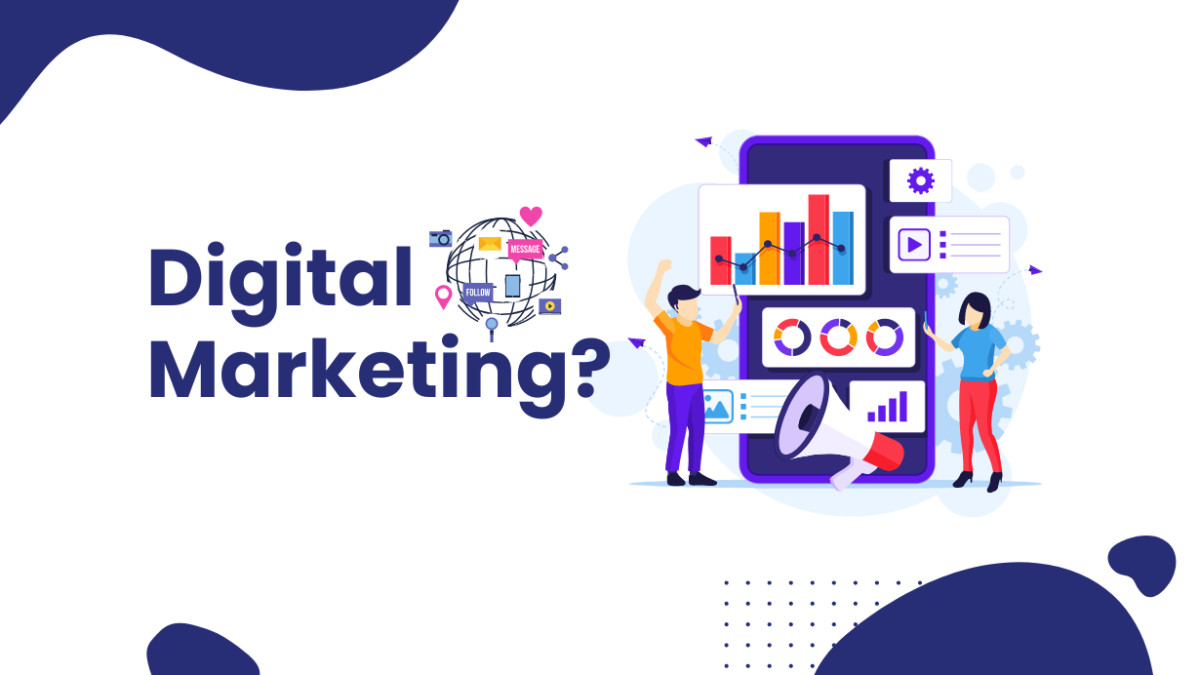
Digital marketing is a multifaceted field that encompasses the use of various online channels and technologies to promote products, services, and brands. In today’s digital age, where the internet plays a central role in our daily lives, digital marketing has become essential for businesses looking to reach and engage with their target audiences effectively. This article explores the concept of digital marketing, its key components, and why it is crucial for businesses in the modern era.
Understanding Digital Marketing
Digital marketing refers to any form of marketing that utilizes digital platforms and technologies, such as websites, social media, email, search engines, mobile apps, and other digital channels, to connect with prospective customers. Unlike traditional marketing methods (e.g., print ads, billboards, TV commercials), digital marketing leverages the vast reach and interactivity of the internet to deliver targeted messages and measure their performance in real-time.
Components of Digital Marketing
- Search Engine Optimization (SEO): SEO involves optimizing your website’s content and structure to rank higher in search engine results pages (SERPs), thus driving organic (unpaid) traffic to your site.
- Search Engine Marketing (SEM): SEM involves paid advertising on search engines like Google. This includes pay-per-click (PPC) campaigns where advertisers bid on keywords to display their ads prominently in search results.
- Content Marketing: Content marketing focuses on creating and distributing valuable, relevant, and consistent content to attract and retain a clearly defined audience. Content can be in the form of blog posts, videos, infographics, eBooks, and more.
- Social Media Marketing: This involves using social media platforms like Facebook, Instagram, Twitter, LinkedIn, and others to promote your brand, engage with your audience, and drive traffic to your website.
- Email Marketing: Email marketing involves sending targeted messages to a list of subscribers. This can include newsletters, promotional offers, product updates, and more.
- Influencer Marketing: Leveraging influencers—individuals with a large and engaged following on social media—to promote your products or services to their audience.
- Pay-Per-Click (PPC) Advertising: This includes various forms of paid advertising where advertisers pay a fee each time their ad is clicked. This can include search ads, display ads, video ads, etc.
- Affiliate Marketing: Partnering with other businesses or individuals (affiliates) who promote your products or services in exchange for a commission on sales generated through their efforts.
Why Digital Marketing Matters
- Cost-Effective: Digital marketing can be more cost-effective than traditional marketing methods, allowing businesses of all sizes to reach a global audience without breaking the bank.
- Targeted Reach: Digital marketing enables precise audience targeting based on demographics, interests, behavior, and more, ensuring that your message reaches the right people at the right time.
- Measurable Results: Unlike traditional marketing, digital marketing campaigns are highly measurable. Marketers can track metrics such as website traffic, conversions, engagement rates, and ROI in real-time, enabling data-driven decision-making and optimization.
- Global Reach: With the internet breaking down geographical barriers, digital marketing allows businesses to expand their reach beyond local markets and target customers worldwide.
- Interactivity and Engagement: Digital marketing encourages two-way communication between businesses and consumers, fostering engagement and building relationships that can lead to customer loyalty and advocacy.