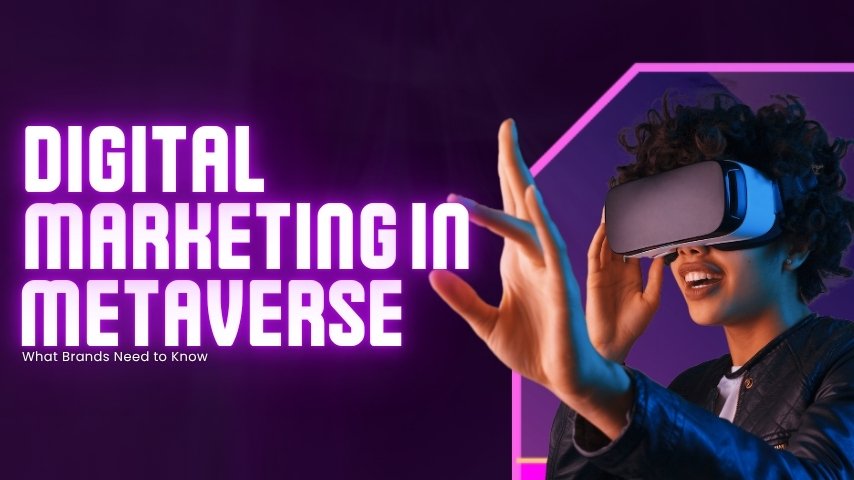
Digital Marketing in the Metaverse: What Brands Need to Know
The metaverse is no longer a futuristic concept—it’s quickly becoming a powerful marketing channel. As virtual worlds grow in popularity, digital marketers have a unique opportunity to connect with users in immersive and interactive ways. But with new technology comes new strategies. So, what does digital marketing look like in the metaverse, and how can brands prepare?
Here’s what you need to know.
What Is the Metaverse?
The metaverse is a collective virtual space created by the convergence of virtually enhanced physical reality and interactive digital environments. Think of platforms like Decentraland, Roblox, The Sandbox, or Meta’s Horizon Worlds—these are early examples of the metaverse in action.
In these spaces, users can socialize, work, shop, play, and even attend events, all through avatars. This evolution is transforming how consumers engage with brands.
Why Marketers Should Pay Attention
-
Immersive Experiences: The metaverse allows for deeper, more engaging brand experiences. It’s not just ads—users can interact with products in virtual showrooms, try digital wearables, or attend branded concerts.
-
Next-Gen Audience: Gen Z and Gen Alpha are spending more time in virtual worlds than on traditional platforms. If your brand wants to stay relevant, you need to be where they are.
-
New Revenue Streams: Digital goods (NFTs, skins, avatars) are creating new monetization opportunities for brands willing to experiment.
Key Strategies for Marketing in the Metaverse
1. Build Virtual Brand Spaces
Create interactive spaces like branded lounges, stores, or mini-games. For example, Gucci opened the Gucci Garden on Roblox, where users explored exhibits and purchased digital fashion items.
2. Launch Metaverse Events
Host product launches, concerts, workshops, or meetups in the metaverse. These events not only create buzz but also allow real-time interaction with consumers across the globe.
3. Use Digital Collectibles & NFTs
Limited-edition digital assets, like branded wearables or NFTs, can drive engagement and exclusivity. Brands like Nike (with its RTFKT acquisition) and Adidas have already explored this.
4. Influencer Marketing Through Avatars
Partner with virtual influencers or allow real influencers to create avatar versions of themselves to promote your brand inside virtual worlds.
5. Gamification
Incorporate games and challenges where users earn virtual rewards or discounts. This keeps audiences engaged and returning for more.
Challenges to Consider
-
Accessibility & Reach: Not all users have access to VR headsets or high-speed internet, which can limit your audience.
-
Privacy & Ethics: Data security and user privacy in virtual environments are still evolving issues.
-
High Entry Costs: Developing 3D content and metaverse experiences can be expensive, especially for smaller brands.
Future Outlook: Is the Metaverse a Passing Trend?
While still in its early stages, the metaverse is showing long-term potential. Tech giants like Meta, Microsoft, and Google are heavily investing in it. For marketers, the key is to experiment, learn, and adapt—start small and scale as the technology matures.
Final Thoughts
The metaverse isn’t just a buzzword—it’s the next evolution of digital engagement. For brands willing to innovate, it opens up exciting new ways to connect with their audiences. By embracing immersive technologies now, marketers can stay ahead of the curve and shape how their brand exists in the virtual future.