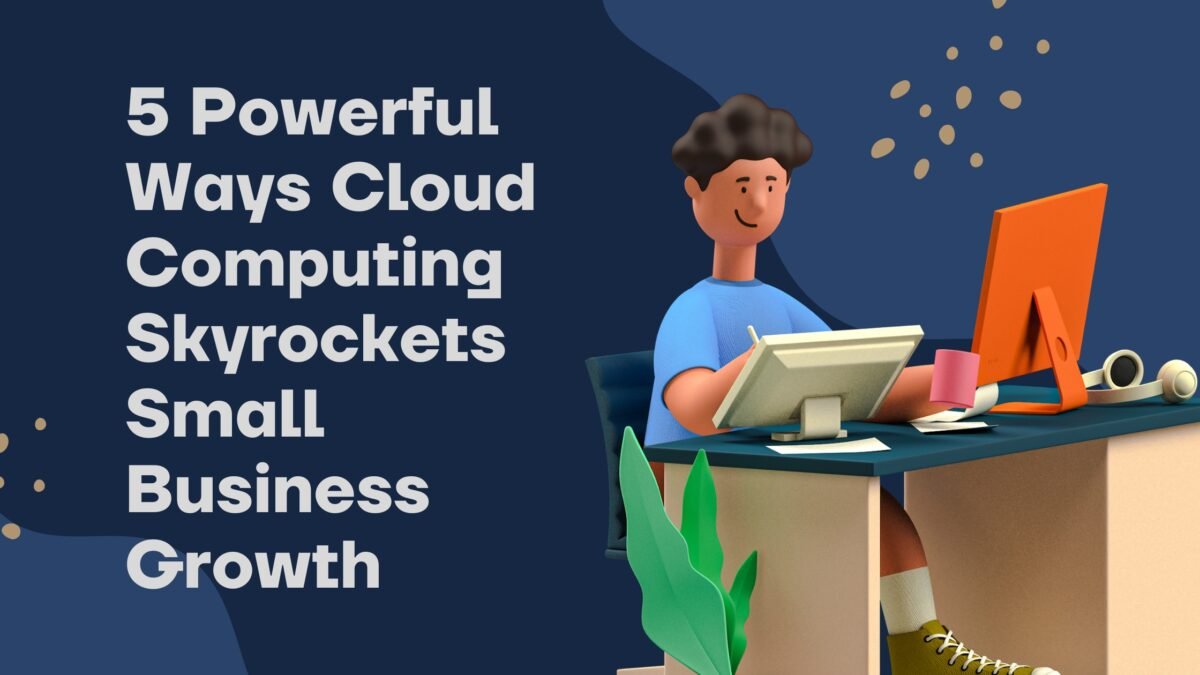
5 Powerful Ways Cloud Computing Skyrockets Small Business Growth
For small businesses, the dream isn’t just to survive; it’s to scale smarter. But growth often comes with daunting challenges: skyrocketing IT costs, complex software, and the terrifying fear of data loss. In the past, scaling meant massive upfront investments in servers and IT staff—a daunting barrier for any ambitious entrepreneur. But what if there was a revolutionary key to unlocking seamless, efficient growth? That key is cloud computing.
Cloud computing is no longer a buzzword reserved for tech giants. It’s the fundamental force empowering small businesses to compete, innovate, and expand on their own terms. It simply means using internet-hosted services—like data storage, software, and processing power—instead of relying on physical computers and servers in your office. Let’s dive into the five powerful ways cloud computing is helping small businesses scale smarter.
1. Drastically Slash Costs and Boost Cash Flow
Traditional IT infrastructure requires a significant capital expenditure (CapEx). You have to buy servers, pay for licenses, and hire experts to maintain it all. Cloud computing flips this model on its head. It operates on a pay-as-you-go subscription basis (OpEx), meaning you only pay for the resources you actually use. This brilliant shift frees up crucial capital, allowing you to invest in other growth-driving areas like marketing, sales, and product development. You scale your expenses in direct proportion to your business growth, eliminating wasteful spending.
2. Unleash Unstoppable Flexibility and Scalability
Imagine your online store goes viral overnight. A traditional server might crash under the sudden traffic, costing you sales and damaging your reputation. With cloud computing, scaling is instantaneous. Need more storage for customer data? More power to run a new application? With a few clicks, you can upgrade your resources to meet demand. This agile flexibility means your business is always prepared for opportunity, allowing you to experiment and expand into new markets without technical constraints holding you back.
3. Enable Seamless Remote Collaboration
The modern workforce is increasingly mobile and remote. Cloud computing makes location irrelevant. Tools like Google Workspace, Microsoft 365, and project management platforms like Asana are all cloud-based. Your team can access files, collaborate on documents in real-time, and communicate seamlessly from anywhere in the world. This fosters a more productive, connected, and happy workforce, ensuring that your business can operate 24/7 and tap into a global talent pool.
4. Fortify Your Data with Ironclad Security
A common misconception is that on-premise servers are safer than the cloud. The opposite is often true. Reputable cloud computing providers invest millions in security measures—encryption, advanced firewalls, and routine security audits—that most small businesses could never afford on their own. Your data is protected in secure data centers with redundant backups, meaning it’s safe from physical damage (like a fire or flood) and cyber threats. This robust security provides peace of mind, allowing you to focus on growth instead of worrying about data breaches.
5. Gain a Competitive Edge with Enterprise-Grade Tools
Cloud computing is the great equalizer. It gives small businesses access to the same powerful software and analytics that were once only available to large corporations. From sophisticated Customer Relationship Management (CRM) systems like Salesforce to data analytics platforms and AI-powered marketing tools, the cloud puts incredible power at your fingertips. This allows you to understand your customers better, automate tedious tasks, and make data-driven decisions that propel you ahead of slower, less agile competitors.
Conclusion: Scale Smarter, Not Harder
Scaling a business will always have its challenges, but cloud computing removes the biggest technical and financial barriers. It transforms IT from a costly, rigid obstacle into a dynamic, strategic asset. By embracing the cloud, you’re not just adopting new technology; you’re adopting a smarter philosophy of business growth—one that is cost-effective, flexible, and powerfully secure.
The question is no longer if you should move to the cloud, but how quickly you can start leveraging its transformative potential. The future of smart scaling is in the cloud. It’s time for your business to soar.