Mastering Online Marketing: Strategies for Success in the Digital Age
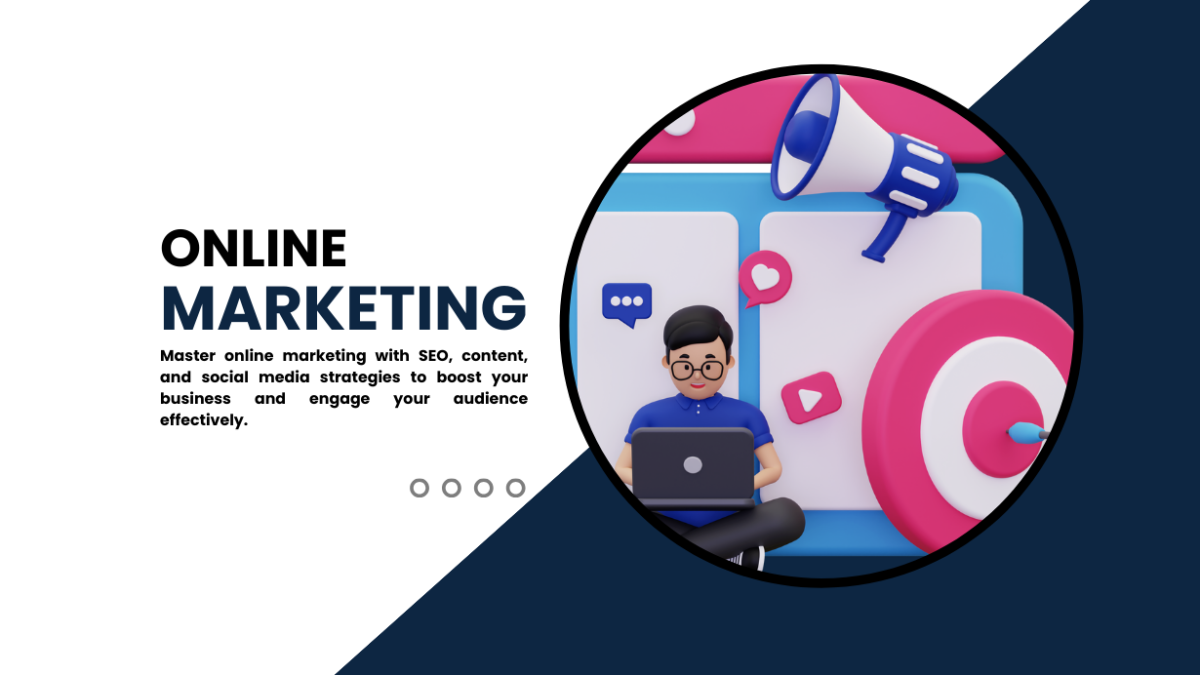
In today’s hyper-connected world, online marketing has become an indispensable tool for businesses of all sizes. With the vast majority of consumers turning to the internet to discover, evaluate, and purchase products and services, mastering the art of online marketing can make or break a business. This article will explore essential strategies for creating a successful online marketing campaign, leveraging digital channels to reach and engage your target audience effectively.
Understanding Online Marketing
Online marketing, also known as digital marketing, encompasses a variety of tactics aimed at promoting products or services through digital channels such as search engines, social media, email, and websites. The goal is to connect with potential customers where they spend a significant portion of their time—online.
Key Strategies for Online Marketing Success
- Search Engine Optimization (SEO): SEO is the process of optimizing your website to rank higher in search engine results pages (SERPs). This involves researching relevant keywords, creating high-quality content, and ensuring your site is technically sound. Effective SEO increases organic traffic and enhances your site’s visibility to potential customers.
- Keyword Research: Identify and target keywords that your potential customers are searching for.
- On-Page SEO: Optimize your website’s content, meta tags, images, and URLs.
- Technical SEO: Improve your website’s speed, mobile-friendliness, and overall user experience.
- Content Marketing: Creating valuable, relevant content helps attract and retain a clearly defined audience. Content marketing can take various forms, including blog posts, videos, infographics, podcasts, and ebooks. The key is to provide content that educates, entertains, or solves problems for your audience.
- Blogging: Regularly publish articles that address common questions and pain points of your audience.
- Video Content: Use videos to demonstrate products, share customer testimonials, or provide educational content.
- Social Media: Share your content across social media platforms to increase reach and engagement.
- Social Media Marketing: Social media platforms like Facebook, Instagram, Twitter, LinkedIn, and TikTok offer unique opportunities to connect with your audience. Each platform has its own demographics and best practices, so tailor your strategy accordingly.
- Engagement: Respond to comments, participate in conversations, and create interactive content such as polls and quizzes.
- Advertising: Utilize paid advertising options to target specific demographics and drive traffic to your website or landing pages.
- Influencer Partnerships: Collaborate with influencers who can promote your brand to their followers.
- Email Marketing: Email marketing remains one of the most effective ways to nurture leads and maintain customer relationships. Personalize your emails to provide relevant content, product recommendations, and special offers.
- Segmentation: Divide your email list into segments based on user behavior, demographics, or past interactions.
- Automation: Use automated email sequences to welcome new subscribers, follow up on abandoned carts, and re-engage inactive customers.
- A/B Testing: Continuously test different subject lines, content, and calls-to-action to optimize your email performance.
- Pay-Per-Click (PPC) Advertising: PPC advertising, such as Google Ads, allows you to display ads to users searching for specific keywords. You only pay when someone clicks on your ad, making it a cost-effective way to drive targeted traffic to your website.
- Keyword Targeting: Select keywords that are relevant to your business and have a good balance of search volume and competition.
- Ad Copy: Write compelling ad copy that includes a clear call-to-action.
- Landing Pages: Ensure your landing pages are optimized for conversions, providing a seamless experience from ad click to action.
Measuring and Analyzing Your Success
To ensure your online marketing efforts are effective, it’s crucial to track and analyze your performance. Utilize tools such as Google Analytics, social media analytics, and email marketing software to monitor key metrics like traffic, engagement, conversions, and ROI. Regularly reviewing this data allows you to refine your strategies and achieve better results over time.