The Future of Marketing: Harnessing the Power of Marketing Automation
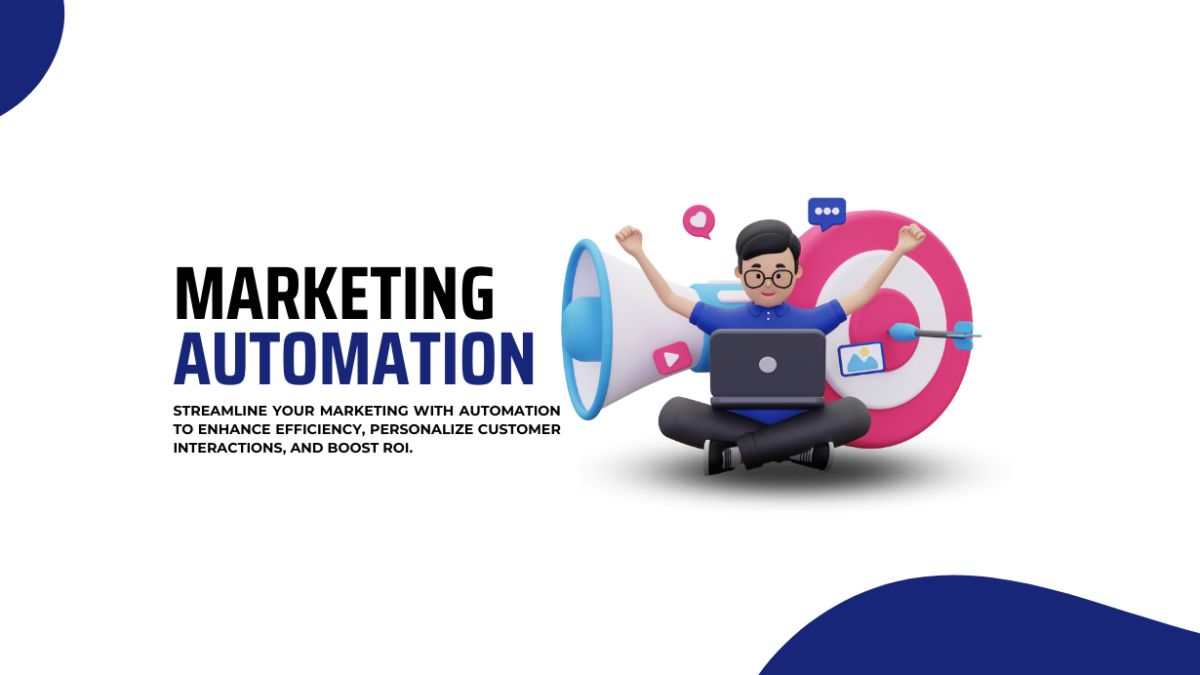
In today’s fast-paced digital landscape, businesses are constantly seeking innovative ways to engage with their audiences, streamline their operations, and drive growth. One of the most transformative tools available to marketers is marketing automation. By leveraging sophisticated software and technologies, marketing automation allows companies to automate repetitive tasks, personalize customer interactions, and enhance overall marketing efficiency. This article delves into the benefits, components, and future trends of marketing automation, offering insights into how businesses can harness its power to stay ahead in the competitive market.
What is Marketing Automation?
Marketing automation refers to the use of software platforms and technologies designed to automate repetitive marketing tasks, streamline workflows, and measure marketing efforts more effectively. It encompasses a wide range of functions, including email marketing, social media posting, lead generation, customer segmentation, and campaign management. By automating these processes, businesses can focus more on strategy and creativity, while ensuring consistent and personalized customer engagement.
Key Benefits of Marketing Automation
- Efficiency and Productivity:
- Automating routine tasks such as email campaigns, social media updates, and data collection frees up valuable time for marketers to focus on high-level strategic activities. This efficiency not only boosts productivity but also reduces the risk of human error.
- Personalization at Scale:
- Marketing automation enables businesses to deliver personalized content and messages to large audiences. By leveraging data and customer insights, marketers can create tailored experiences that resonate with individual preferences and behaviors, enhancing customer satisfaction and loyalty.
- Lead Nurturing and Scoring:
- Automation tools help in tracking and nurturing leads through the sales funnel. By scoring leads based on their interactions and engagement, businesses can prioritize high-quality prospects and deliver targeted content to move them closer to conversion.
- Improved ROI:
- With better targeting, personalized messaging, and efficient campaign management, marketing automation can significantly improve return on investment (ROI). Automated analytics and reporting provide insights into campaign performance, helping marketers optimize their strategies and allocate resources more effectively.
- Enhanced Customer Experience:
- Consistent and relevant communication across multiple touchpoints creates a seamless customer journey. Marketing automation ensures that customers receive timely and pertinent information, fostering stronger relationships and brand loyalty.
Essential Components of Marketing Automation
- Email Marketing Automation:
- Automates the creation, scheduling, and distribution of email campaigns. Features include triggered emails based on user actions, personalized content, and A/B testing to optimize performance.
- Customer Relationship Management (CRM) Integration:
- Integrating marketing automation with CRM systems provides a holistic view of customer interactions and behaviors. This integration ensures that marketing and sales teams are aligned, enhancing lead management and customer nurturing.
- Lead Management:
- Tools for capturing, scoring, and nurturing leads through automated workflows. These workflows guide leads through the sales funnel with targeted content and interactions at each stage.
- Social Media Automation:
- Automates social media posting, monitoring, and engagement. Features include scheduling posts, tracking mentions, and analyzing social media performance to inform future strategies.
- Analytics and Reporting:
- Provides detailed insights into marketing campaign performance, customer behavior, and ROI. Automated reports help marketers make data-driven decisions and continually refine their strategies.
Future Trends in Marketing Automation
- Artificial Intelligence (AI) and Machine Learning:
- AI-powered tools are enhancing the capabilities of marketing automation by providing predictive analytics, personalized content recommendations, and advanced customer segmentation. Machine learning algorithms can analyze vast amounts of data to identify patterns and trends, driving more effective marketing strategies.
- Chatbots and Conversational Marketing:
- Integrating chatbots with marketing automation platforms enables real-time customer engagement and support. These AI-driven bots can handle inquiries, recommend products, and nurture leads through conversational interactions.
- Omni-channel Automation:
- As customer journeys become increasingly complex, businesses are focusing on delivering a cohesive experience across multiple channels. Omni-channel marketing automation ensures consistent messaging and engagement, whether customers are interacting via email, social media, web, or mobile.
- Enhanced Data Privacy and Compliance:
- With growing concerns over data privacy, marketing automation platforms are incorporating advanced features to ensure compliance with regulations such as GDPR and CCPA. Businesses are prioritizing transparent data practices and customer consent management to build trust and credibility.
- Behavioral Triggering and Hyper-personalization:
- Future automation tools will leverage real-time data to trigger marketing actions based on specific customer behaviors and contexts. Hyper-personalization will become the norm, with marketing messages tailored to individual preferences, actions, and lifecycle stages.