The Power and Strategies of Website Marketing
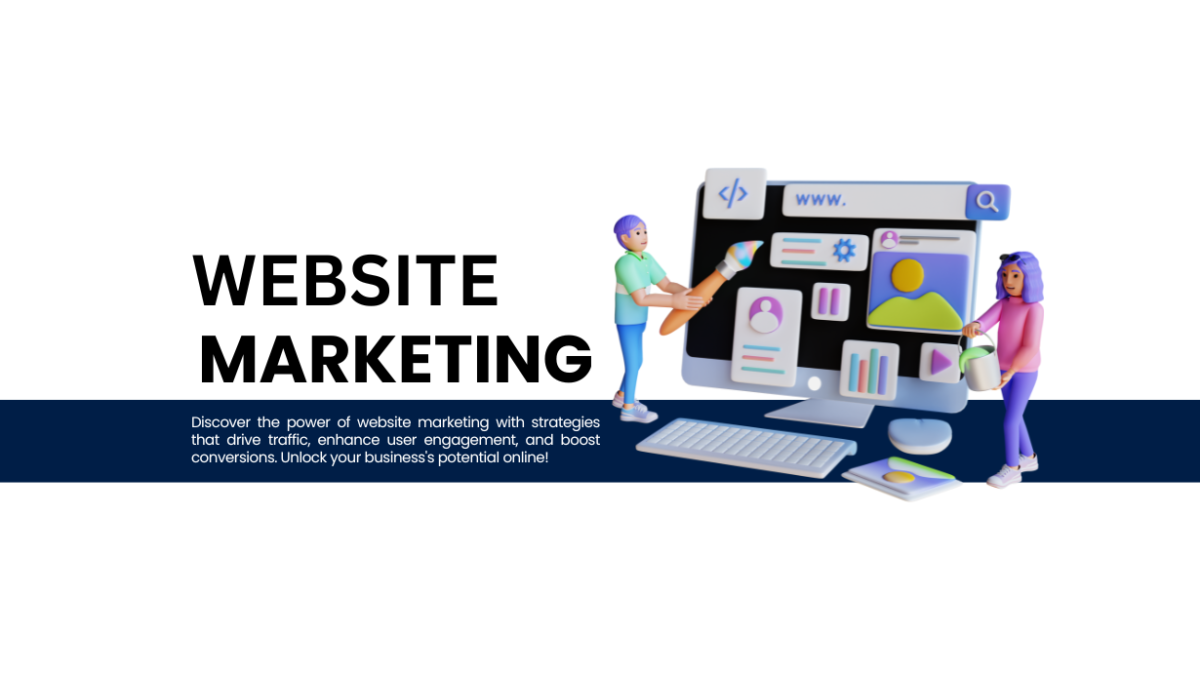
In the digital age, a business’s website is often its most valuable asset, serving as the central hub for its online presence. Website marketing, the practice of promoting and optimizing a website to attract and engage visitors, has become crucial for businesses seeking to thrive in an increasingly competitive market. This article explores the importance, strategies, and benefits of website marketing, highlighting its role in driving business growth and success.
The Importance of Website Marketing
A well-designed and effectively marketed website is a powerful tool for any business. It serves multiple functions: a storefront, a customer service center, a brand ambassador, and a content hub. Here’s why website marketing is essential:
- First Impressions: For many customers, a website is the first interaction they have with a business. A professional, user-friendly site can create a positive first impression and establish credibility.
- 24/7 Accessibility: Unlike a physical store, a website is always open. This round-the-clock accessibility allows potential customers to learn about products and services, make purchases, or contact support at any time.
- Broader Reach: A website can reach a global audience, breaking geographical barriers and opening new markets. This is particularly beneficial for businesses looking to expand their customer base beyond local confines.
- Data Collection and Insights: Websites can track visitor behavior and gather valuable data. This information can be used to understand customer preferences, improve user experience, and tailor marketing efforts.
Key Strategies in Website Marketing
- Search Engine Optimization (SEO): SEO is critical for increasing a website’s visibility on search engines like Google. It involves optimizing on-page elements (such as content, meta tags, and images) and off-page factors (such as backlinks) to improve search rankings and drive organic traffic.
- Content Marketing: High-quality, relevant content is the backbone of effective website marketing. Regularly updated blogs, articles, videos, and infographics can attract visitors, establish authority, and improve SEO.
- User Experience (UX) Design: A seamless, intuitive user experience is essential for keeping visitors on a site and encouraging them to take action. This involves fast loading times, mobile responsiveness, easy navigation, and clear calls to action (CTAs).
- Pay-Per-Click (PPC) Advertising: PPC campaigns, such as Google Ads, can drive targeted traffic to a website. By bidding on relevant keywords, businesses can ensure their ads appear in search results and on other websites, increasing visibility and attracting potential customers.
- Social Media Integration: Integrating social media with a website can enhance engagement and drive traffic. Share buttons, social media feeds, and links to profiles help visitors connect with a business across multiple platforms.
- Email Marketing: Collecting email addresses through website forms and using email marketing to nurture leads and retain customers is highly effective. Personalized email campaigns can promote new content, special offers, and updates, driving repeat visits and conversions.
- Conversion Rate Optimization (CRO): CRO focuses on improving the percentage of website visitors who complete desired actions, such as making a purchase or signing up for a newsletter. This involves A/B testing different elements (like headlines, CTAs, and layouts) to find the most effective combinations.
The Benefits of Effective Website Marketing
- Increased Traffic: Well-executed website marketing strategies attract more visitors, increasing the potential for conversions and sales.
- Higher Engagement: Engaging content and a positive user experience encourage visitors to spend more time on a site, explore its offerings, and return in the future.
- Improved Brand Awareness: A strong online presence enhances brand visibility and recognition. Consistent branding and valuable content build trust and loyalty among visitors.
- Cost-Effective Marketing: Compared to traditional advertising methods, website marketing is often more cost-effective. Techniques like SEO and content marketing provide long-term benefits without the high costs associated with print or broadcast advertising.
- Measurable Results: Digital marketing tools and analytics provide detailed insights into website performance. Businesses can track metrics such as traffic, bounce rates, and conversion rates, allowing for data-driven decision-making and continuous improvement.
- Competitive Advantage: An optimized, well-marketed website can set a business apart from its competitors. Staying ahead in the digital landscape requires continuous innovation and adaptation, ensuring a business remains relevant and appealing to its audience.