Unlocking the Power of Pay-Per-Click (PPC) Advertising
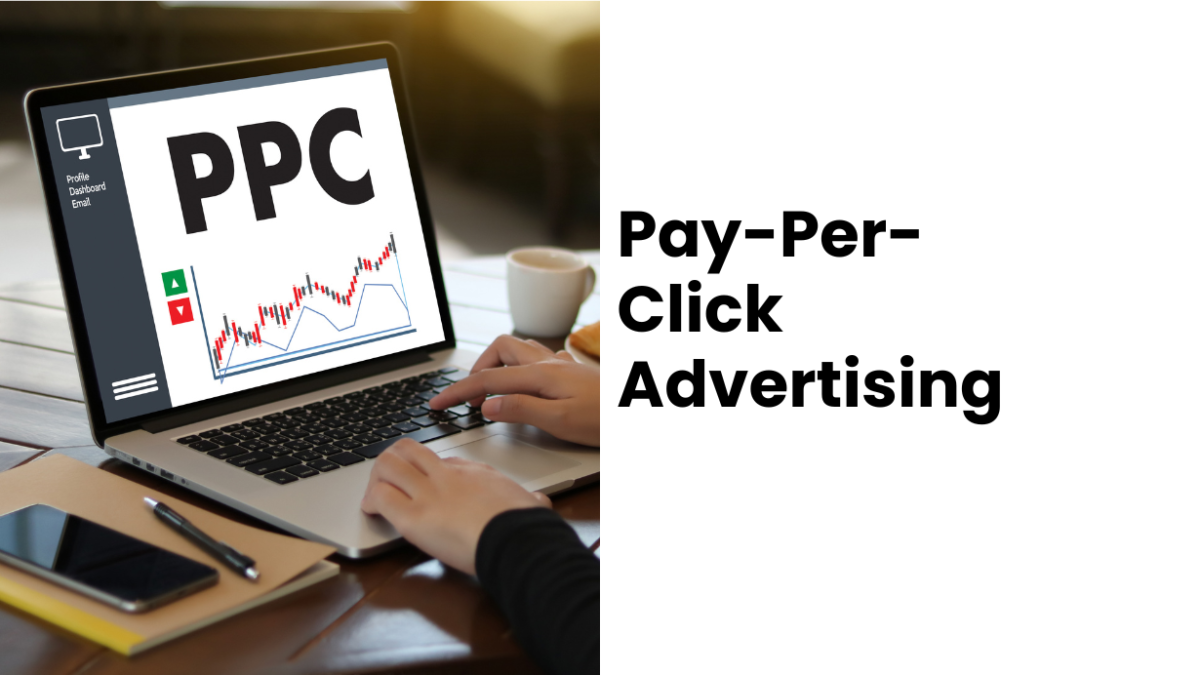
In the digital age, where businesses vie for attention amidst the vast expanse of the internet, Pay-Per-Click (PPC) advertising has emerged as a powerful tool to reach targeted audiences and drive conversions. This form of online advertising, also known as cost-per-click (CPC) advertising, enables businesses to display ads on various platforms and pay only when a user clicks on their ad. The impact and effectiveness of PPC campaigns have revolutionized the way businesses promote their products and services online.
Understanding Pay-Per-Click (PPC) Advertising
PPC advertising is a model where advertisers pay a fee each time one of their ads is clicked. It’s essentially a way of buying visits to a website rather than earning those visits organically. PPC ads can appear on search engines like Google, social media platforms like Facebook and Instagram, and other websites within display networks.
How PPC Works
- Keyword Targeting: Advertisers bid on specific keywords relevant to their target audience. When users search for these keywords, the search engine displays the ads.
- Ad Placement: Ads are displayed either on search engine results pages (SERPs) or on websites within the display network.
- Ad Auction: When a user triggers a search query, the search engine runs an auction to determine which ads to show. Factors like bid amount, ad quality, and relevance influence ad placement.
- Cost and Budgeting: Advertisers set a budget for their campaigns and pay only when someone clicks on their ad.
Benefits of PPC Advertising
- Highly Targeted: PPC allows precise targeting based on factors like location, demographics, interests, and keywords, ensuring ads are shown to relevant audiences.
- Cost-Effective: Advertisers have control over their budget and spending. They pay only when users engage with their ads, making it a measurable and cost-effective advertising method.
- Immediate Results: Unlike SEO (Search Engine Optimization), which can take time to show results, PPC campaigns can generate immediate traffic and leads.
- Measurable ROI: PPC platforms provide detailed analytics, allowing advertisers to track campaign performance in real-time and optimize accordingly.
- Brand Visibility: PPC ads increase brand visibility and awareness, even if users don’t click on them, by appearing prominently in search results.
Best Practices for Successful PPC Campaigns
- Keyword Research: Conduct thorough keyword research to identify relevant and high-performing keywords for your industry.
- Compelling Ad Copy: Craft persuasive ad copy that entices users to click. Use strong calls-to-action and highlight unique selling points.
- Landing Page Optimization: Ensure that your landing pages are relevant, user-friendly, and optimized for conversions.
- A/B Testing: Continuously test different ad variations, keywords, and bidding strategies to optimize campaign performance.
- Monitor and Adjust: Regularly monitor campaign performance, analyze metrics like click-through-rate (CTR) and conversion rate, and make adjustments to maximize ROI.